

What is Trailing 12 (T-12)?
The past 12 months of actual operating income and expenses — the data buyers use to underwrite what a property really earns, not what the proforma says it should.
Key takeaways
- Trailing 12 (T-12) is the actual income and expense history for a property over the prior 12 calendar months — not a projection
- Sophisticated buyers underwrite to trailing actuals first; the proforma is a target, not a baseline
- Brokers who present clean T-12 data alongside a compelling proforma control the valuation conversation instead of ceding it to buyer skepticism
- A missing or disorganized T-12 is one of the most common reasons deals re-trade after LOI
The plain-English definition
Trailing 12 — abbreviated T-12, and sometimes called TTM (trailing twelve months) — is a financial summary of the actual income and operating expenses a property generated over the most recent 12 months. It's produced directly from the property's accounting records: rent collected, vacancy loss, operating expenses paid, and any non-recurring items.
T-12 is the opposite of a proforma. A proforma is a forward-looking projection of what the property could earn under stabilized or improved conditions. The T-12 is a backward-looking record of what the property actually did. Buyers treat these two documents very differently: the proforma sets the upside thesis, but the T-12 determines the underwritten price.
For income-producing properties — multifamily, retail, industrial, office — the T-12 is used to calculate trailing NOI, which, divided by the market cap rate, produces the underwritten value. That number is usually different from the asking price, and the gap between the two is where most valuation conversations happen.
How brokers use it in practice
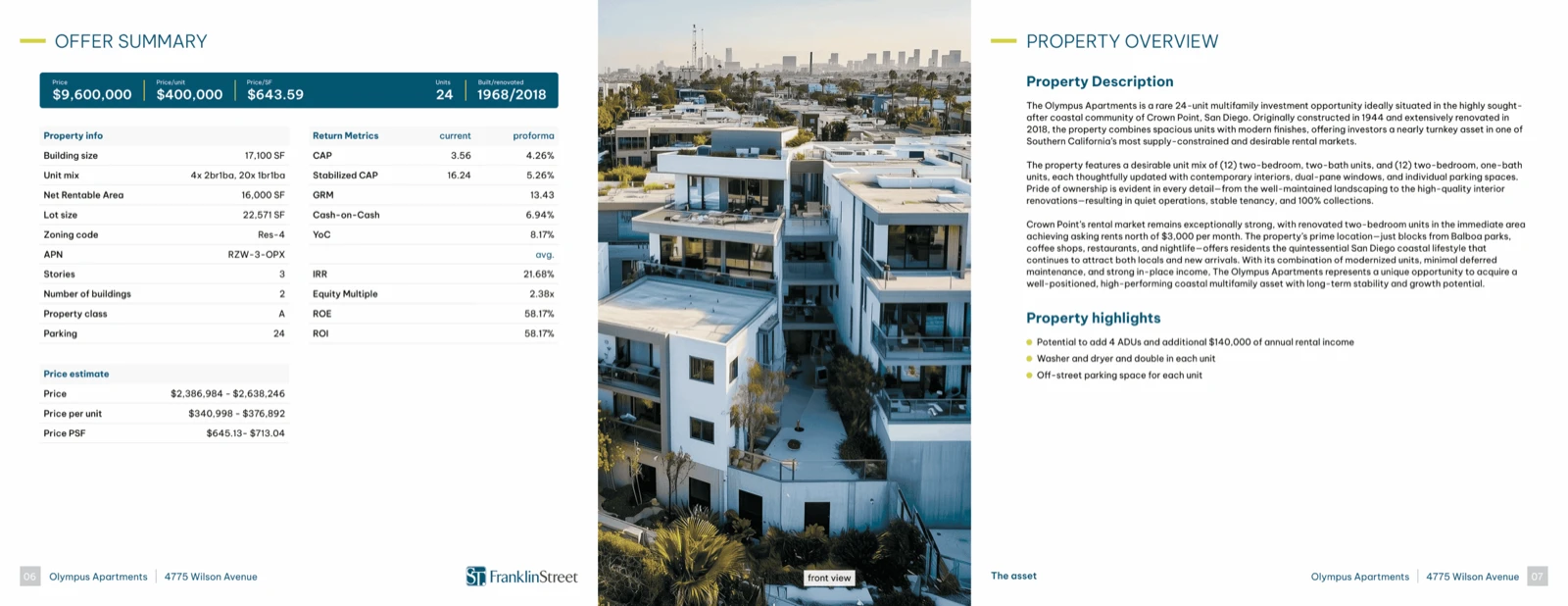
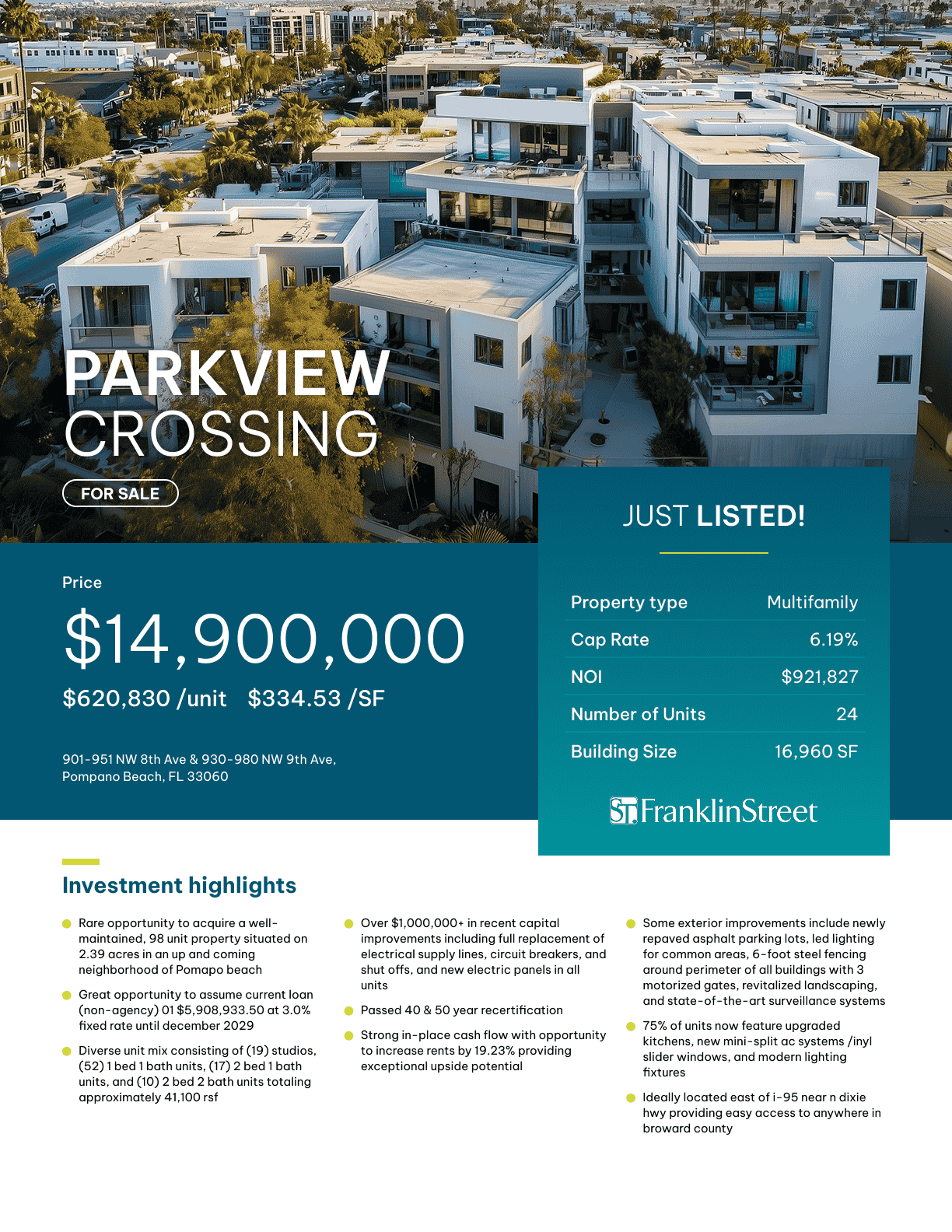
The strongest brokers present the T-12 and the proforma together, in the same package, from day one. Presenting only a proforma and withholding the T-12 immediately signals to experienced buyers that the trailing numbers don't support the asking price — which triggers skepticism before a single conversation.
When a broker presents both documents side by side, it reframes the conversation. Instead of the buyer asking "show me the actuals," the broker controls the narrative: "Here's what the asset has done over the past 12 months, and here's specifically why the proforma reflects a realistic trajectory." That's a deal story. It explains vacancy trends, lease-up timing, expense reduction from a capital project, or market rent growth — all grounded in actual data.
T-12 preparation also requires judgment. Raw accounting exports are rarely clean. A good T-12 summary adjusts for non-recurring items — a one-time insurance claim, a roof replacement that inflated expenses — and annotates those adjustments clearly. The Listing Launch Guide explains how to present T-12 data alongside your OM from day one. Buyers will challenge unexplained line items. Annotating them proactively demonstrates transparency and reduces the number of due diligence questions that stall a transaction.
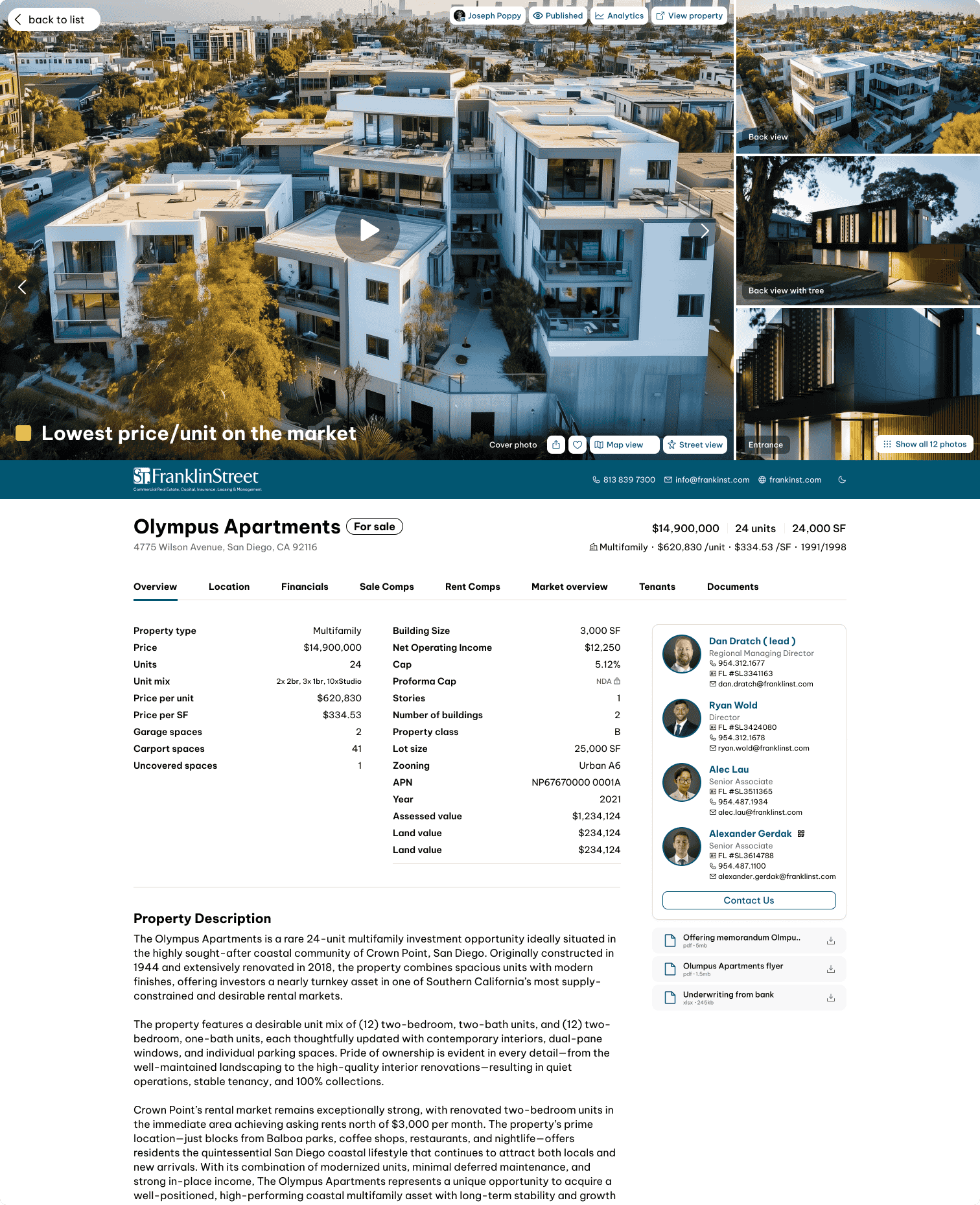
IntellCRE integrates T-12 data directly into deal packages, so buyers see trailing actuals and proforma projections in a single, formatted document — not two separate spreadsheets emailed at different times. Combined with AI underwriting, this means your financial narrative is consistent from intake through close.
Common misconceptions
The most damaging misconception is that showing only the proforma is sufficient for marketing purposes. It isn't — not for sophisticated buyers. Institutional buyers, experienced private investors, and their brokers will always request the T-12. If you don't have it ready at launch, you lose momentum at the exact moment interest is highest.
A second misconception: that T-12 data hurts the deal if the trailing NOI is below asking price. It doesn't have to. The T-12 is the starting point for the story, not the conclusion. A property with below-market rents rolling to market, a recent capital project completing, or a lease-up still in progress will always have a trailing NOI that lags the proforma. The broker's job is to explain that gap credibly — not hide it.
Finally, some brokers confuse T-12 with year-end financials or the prior-year tax return. These are different documents. The T-12 is the most recent rolling 12 months, updated to the current month. A tax return filed in April 2025 covering calendar year 2024 is already stale if you're marketing in early 2026. Buyers want actuals that reflect current operating conditions, not last year's performance.
Frequently asked questions
How does a T-12 differ from a property's annual P&L or tax return?
A T-12 is a rolling 12-month window updated to the most recent period, while an annual P&L or tax return covers a fixed calendar year. In an active deal process, buyers want the most current 12 months of data — not last year's figures, which may be 6–15 months stale by the time of marketing.
Should T-12 figures be adjusted or presented as-is?
Both, with transparency. Present the raw actuals, then provide an adjusted T-12 that normalizes for non-recurring items (one-time repairs, insurance proceeds, etc.) with clear annotations. Buyers will make their own adjustments — giving them the annotated version first controls the narrative and reduces back-and-forth.
What if the T-12 makes the property look worse than the asking price suggests?
That gap is the deal story — and the broker's job is to tell it credibly. Below-market rents, a recent vacancy, or elevated capital expenses during a renovation are all explainable if you present the proforma in the context of specific, near-term value drivers. Hiding the T-12 doesn't protect you; it just moves the problem to due diligence, where it costs more.
How far in advance of a listing should a broker pull the T-12?
Pull it as part of listing preparation, ideally 30–60 days before going to market. Review it for anomalies, reconcile it against the rent roll, and have annotated adjustments ready before the first buyer conversation.