
What is an OM (Offering Memorandum)?
The primary marketing document for a commercial property sale — and the first impression every serious buyer forms about your deal.
Key takeaways
- An OM is not a data dump — it's a pitch document that tells a deal story and pre-answers the objections that kill tours
- Buyers decide whether to schedule a tour or pass based on the OM — most of that decision happens in the first two pages
- The investment thesis section is the most important and most frequently skipped part of a well-structured OM
- A weak OM on a strong deal costs you buyers; a strong OM on an average deal creates competition
The plain-English definition
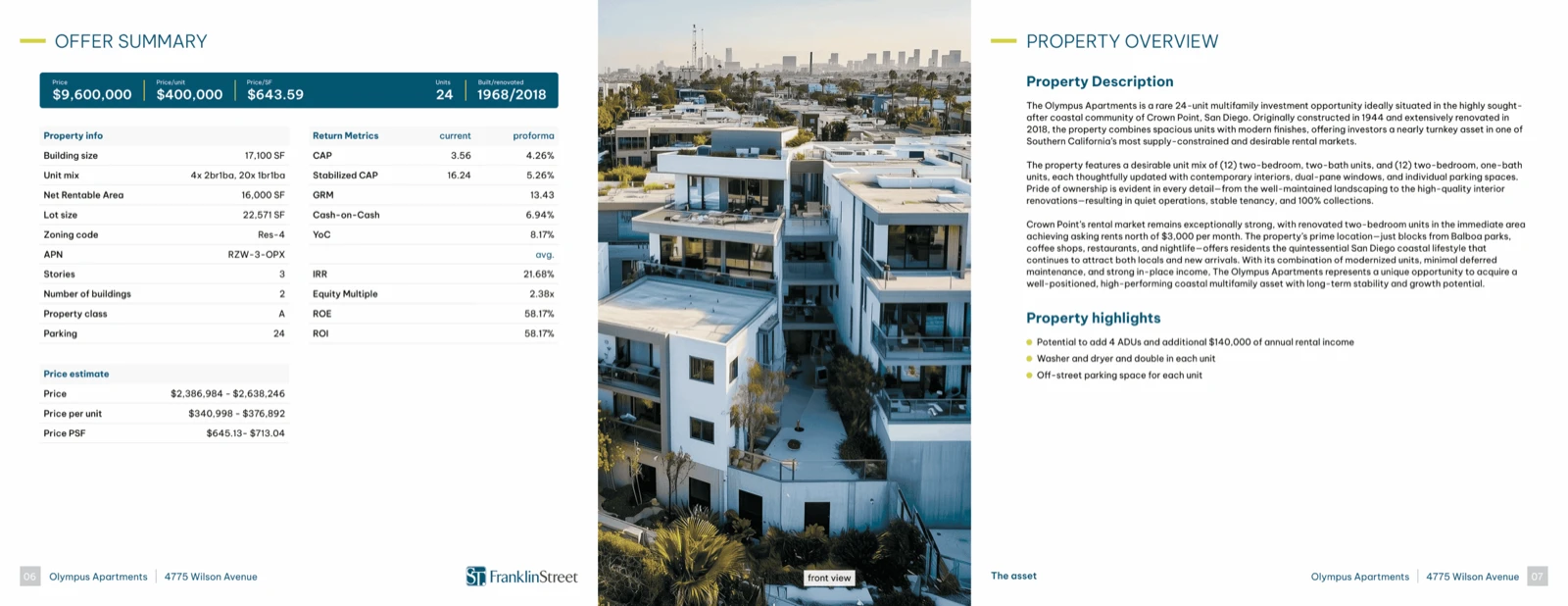
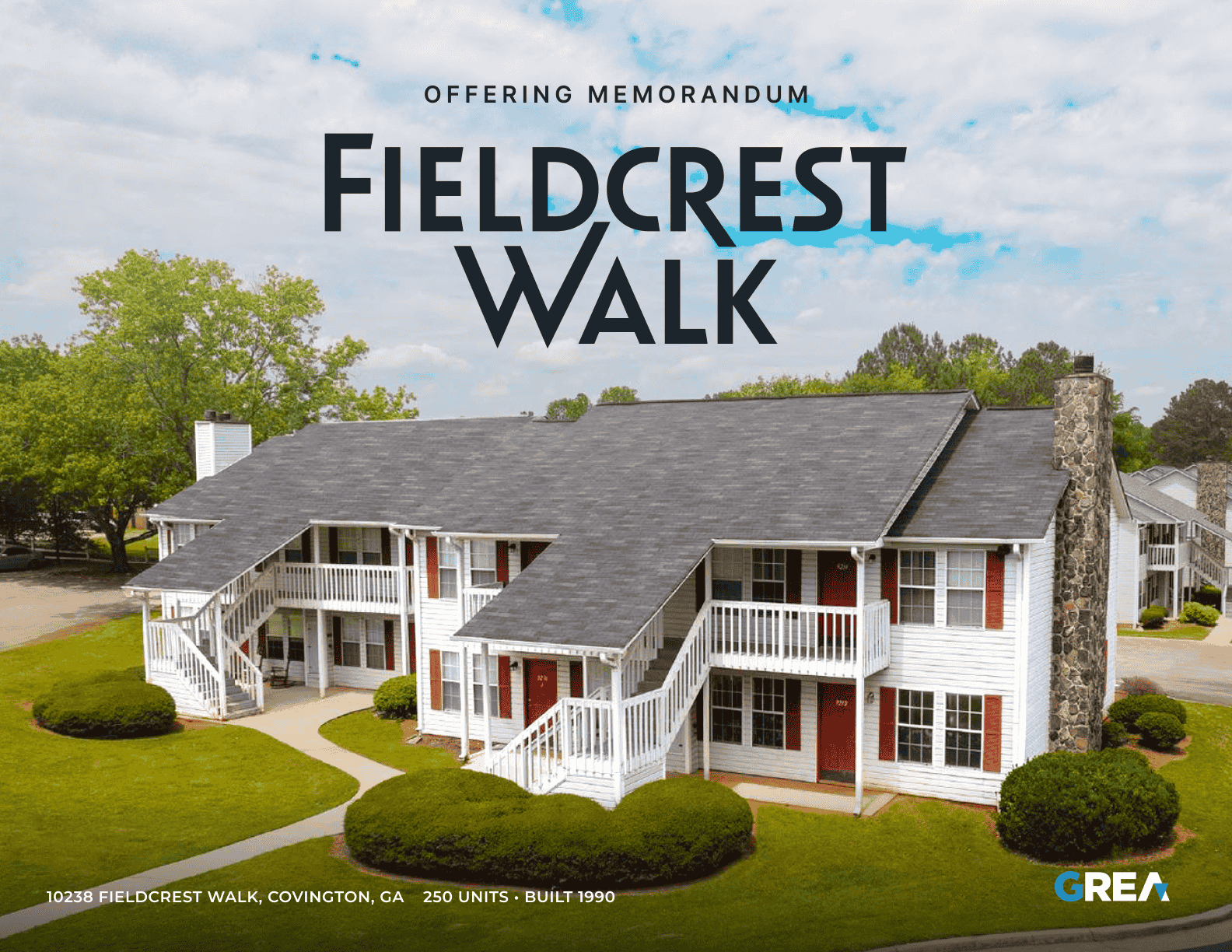
An Offering Memorandum — commonly called an OM, and sometimes a Confidential Information Memorandum (CIM) — is the primary marketing document a broker prepares when taking a commercial property to market. It gives prospective buyers everything they need to evaluate whether to pursue the deal: the investment thesis, property description, financial summary, rent roll, market context, and deal terms.
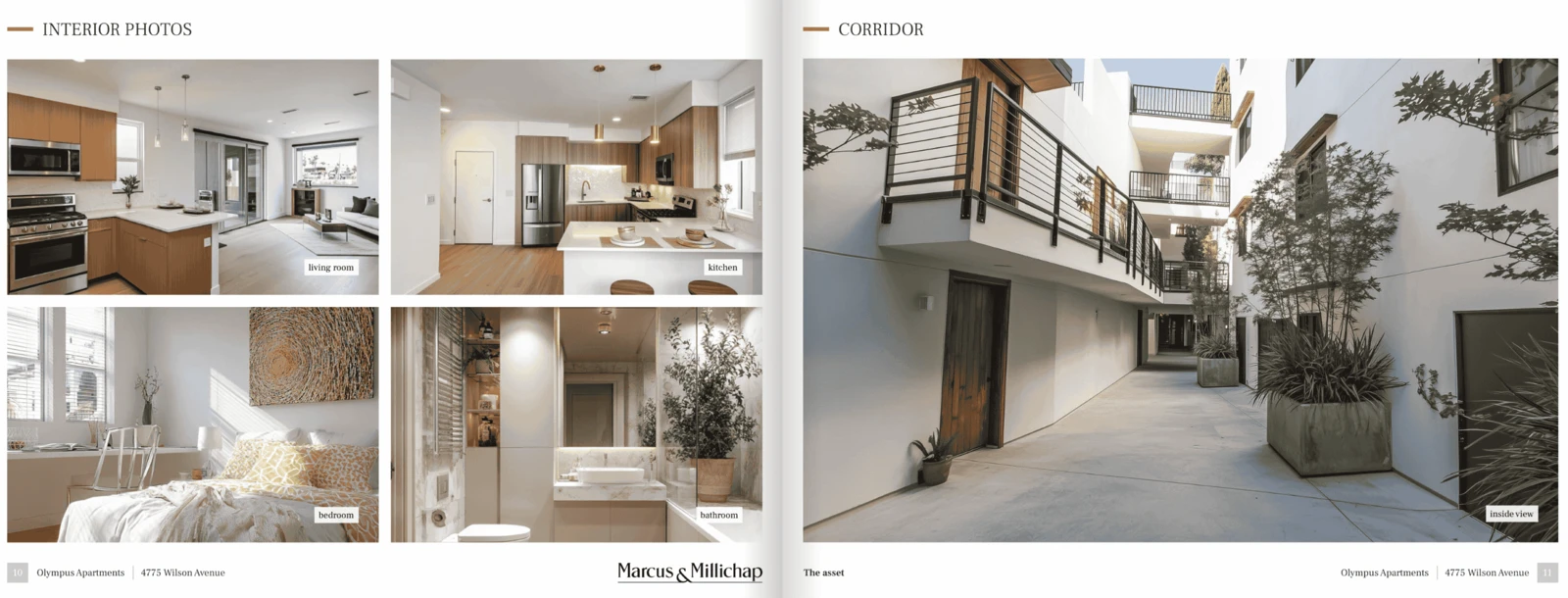
A standard OM for a mid-market investment property runs 20–40 pages and typically includes a cover page and property overview, an investment highlights section, detailed financial analysis (including NOI, cap rate, and a pro forma), rent roll and lease abstracts, a market and submarket narrative, photos and site plan, and contact and offer instructions. For larger or more complex deals, the OM may also include zoning analysis, environmental status, and a development narrative.
The OM serves a dual function: it markets the property to buyers and it protects the seller by establishing the information basis on which offers are made. Everything a buyer knows before submitting an LOI, they know from the OM — which is why the quality of the document directly affects the quality and quantity of the offers you receive.
How brokers use it in practice
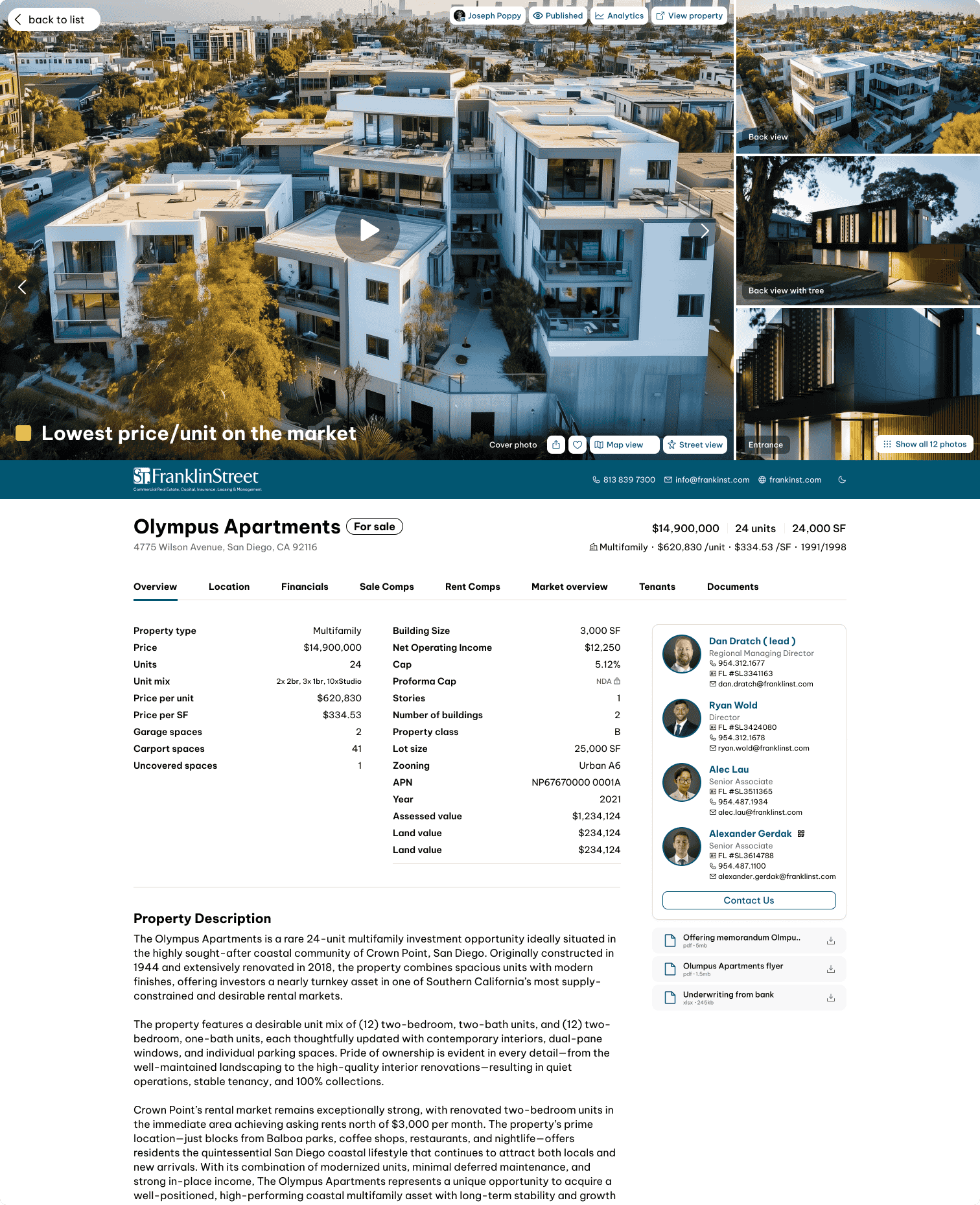
The OM is the engine of the listing launch. It's distributed to your call list, uploaded to CoStar and LoopNet, sent as a branded PDF to your broker network, and — increasingly — linked from a listing website that makes it easy for buyers to share and revisit. Serious buyers will read it twice: once for the overview and once in detail before a tour. Everything in the OM either builds conviction or creates doubt.
The best-performing OMs are structured like pitch decks, not real estate reports. They lead with the thesis — what makes this property a compelling investment — before diving into the numbers. A 12-unit multifamily in a supply-constrained submarket isn't just a "12-unit building in Culver City"; it's "a stabilized, below-market-rent portfolio in a submarket where new permits are down 60% year-over-year." That framing changes how buyers read every number that follows.
Brokers who treat the OM as a formality — a package of PDFs assembled from the CoStar printout and the seller's rent roll — leave deals on the table. Brokers who invest in the narrative typically run broader buyer pools, receive more offers, and close at or above asking more often. The Listing Launch Guide walks through exactly how to structure and distribute your OM for maximum first-week impact. With IntellCRE, the same quality output generates in minutes from a single intake form, which means there's no excuse for a weak OM at any deal size.
Common misconceptions
The most damaging misconception is that the OM is a formality — something you assemble because you have to, not because it drives outcomes. It does. Buyers skip deals based on weak OMs all the time. If your property overview doesn't communicate the investment thesis clearly, if your financials don't reconcile, or if your photos look like they were taken on a cloudy Thursday with a phone, you will lose buyers before you ever speak with them.
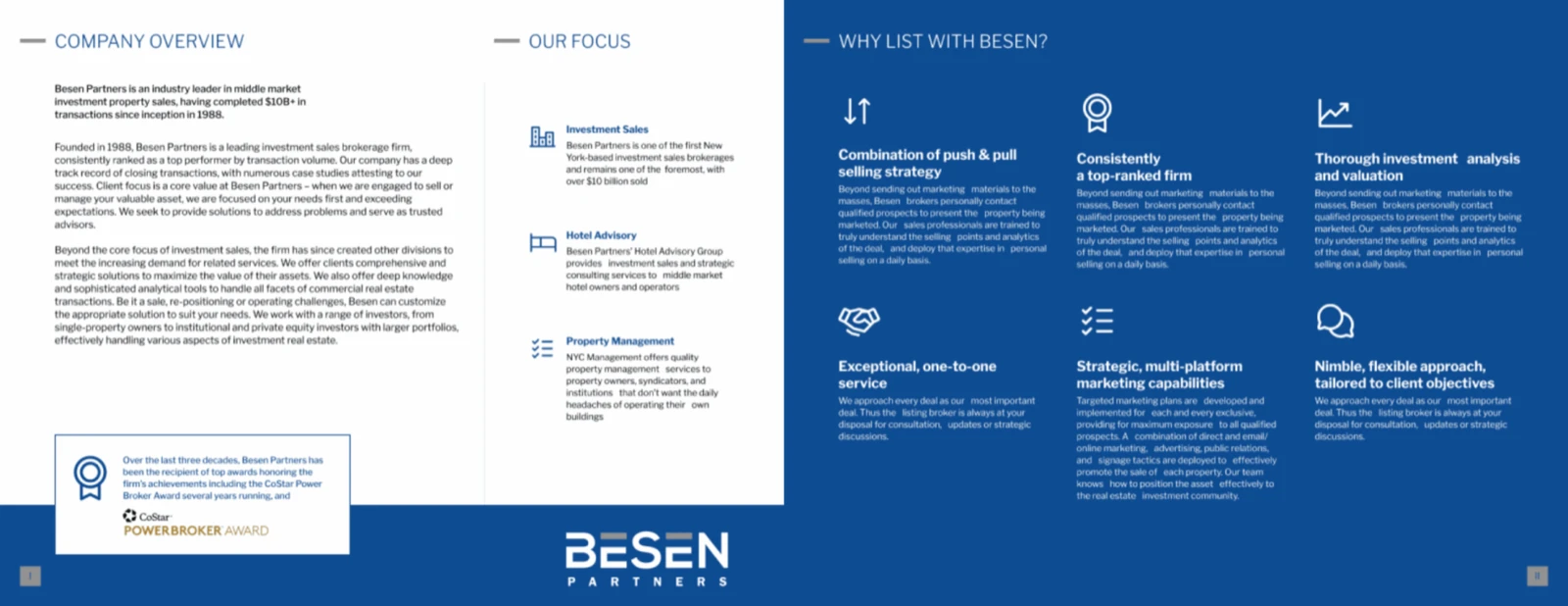
A second misconception is that longer OMs signal more effort or professionalism. They don't. The most effective OMs are tightly edited — every page earns its place. A 45-page OM where the first 10 pages are the broker's firm biography and tombstone deals is a OM that tells the buyer the broker doesn't understand deal marketing. Lead with the property, lead with the opportunity, and cut everything that doesn't move the buyer toward a decision.
Frequently asked questions
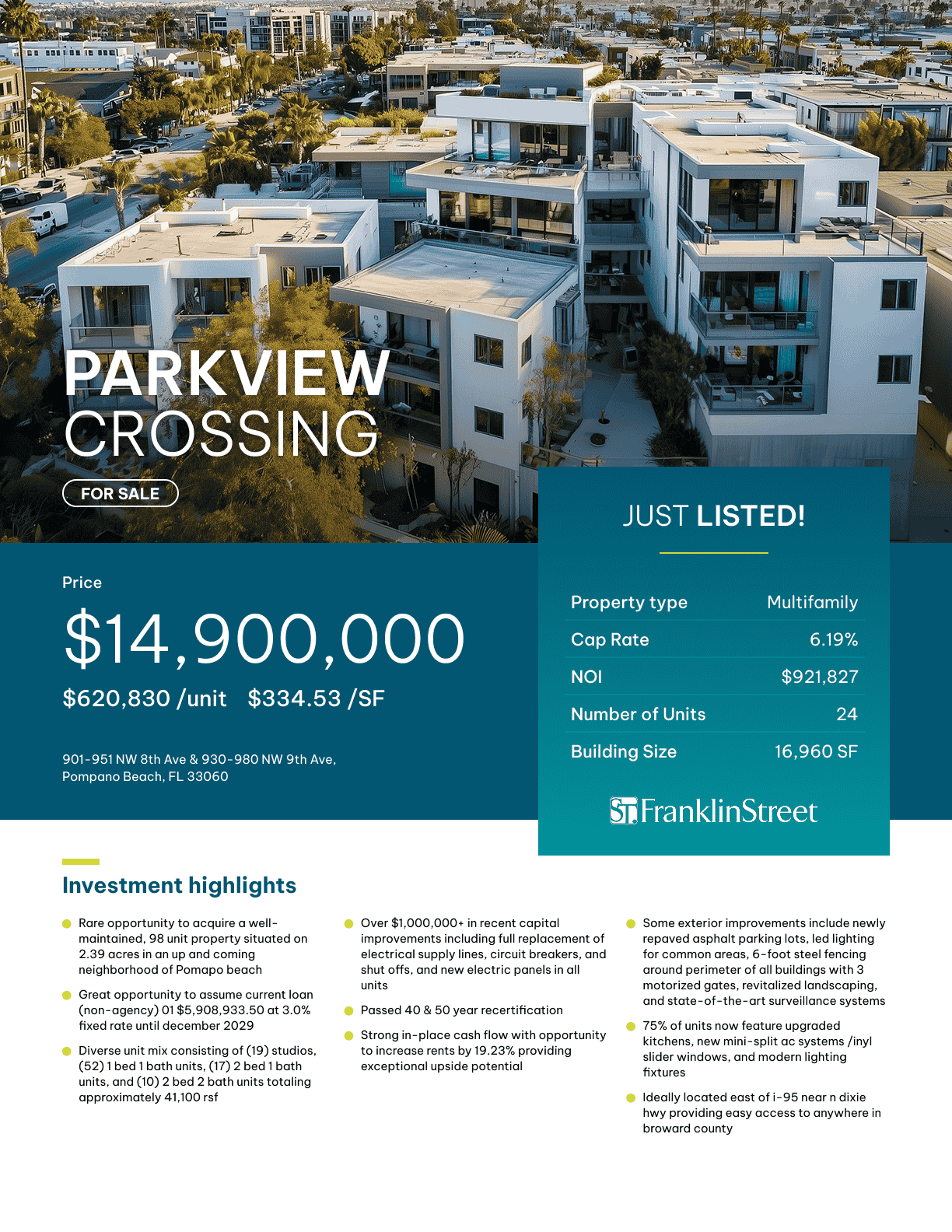
What's the difference between an OM and a flyer?
A flyer is a 1–2 page teaser used to generate initial interest — it has enough information to get a qualified buyer to request the full OM, but not enough to evaluate the deal. The OM is the full package, used after the buyer has signed an NDA or been qualified.
Does every listing need an OM?
For investment properties and anything above $1M, yes. For smaller owner-user deals or land, a detailed flyer may be sufficient. The general rule: if a buyer needs to underwrite the deal before making an offer, they need an OM.
How long does it take to put together a good OM?
For a mid-market investment property, a well-structured OM typically takes 8–20 hours to produce manually — including gathering financials, writing the narrative, sourcing market data, and formatting. Tools that automate the assembly process can compress this to under an hour for the same quality output.
Should the OM include asking price?
It depends on the strategy. A priced OM signals certainty and attracts a specific buyer profile. A "call for offers" approach without pricing creates competition and can drive values above what a single-buyer process would yield. Most brokers decide based on the asset type and depth of the buyer pool.