
What is CRE Marketing Automation?
Software tools that automate repetitive marketing tasks in commercial real estate — and the single largest time-recovery opportunity available to working brokers today.
Key takeaways
- CRE marketing automation refers to tools that handle document generation, email sequencing, listing distribution, and content publishing without manual effort per task
- Most brokers are spending 20–30% of their week on tasks that automation can handle in minutes — the gap is a compounding competitive disadvantage
- Automation doesn't make broker marketing feel generic when it's set up correctly — it handles production while the broker controls strategy and relationships
- Early adopters of purpose-built CRE automation tools are closing more deals per year, not because they're working harder, but because they're eliminating the time tax on marketing
The plain-English definition
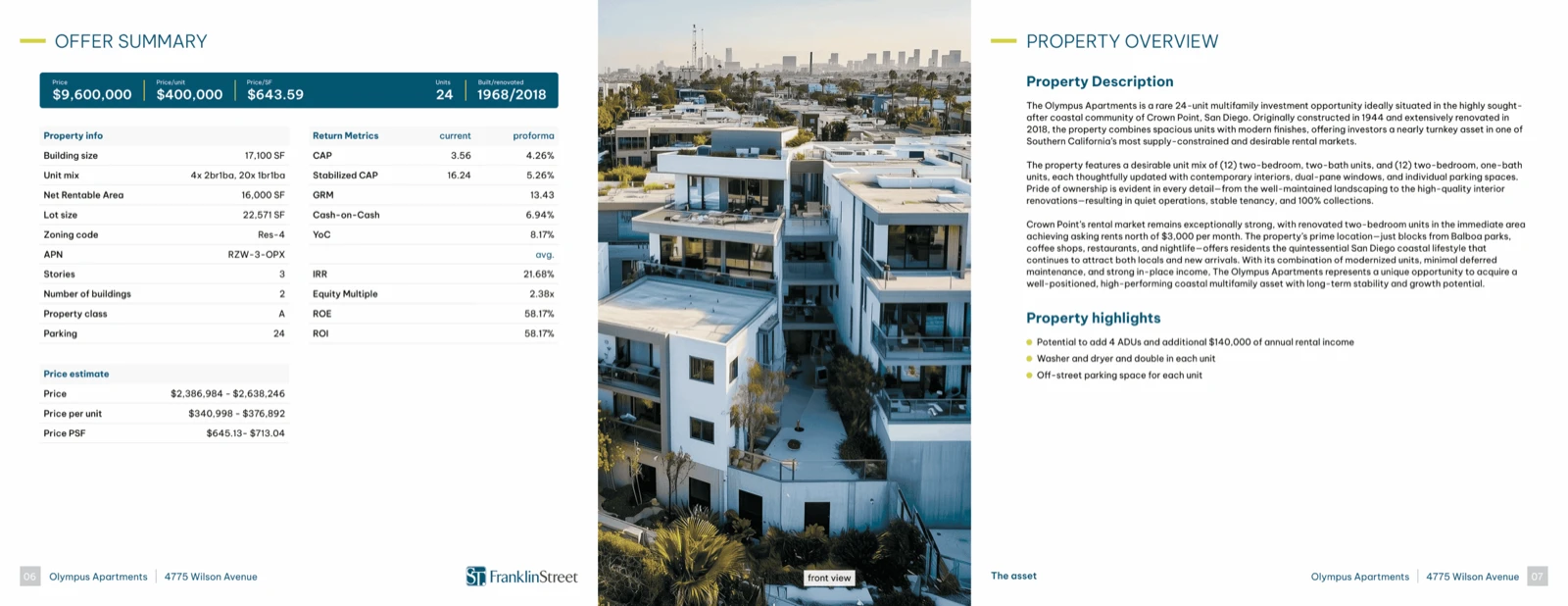
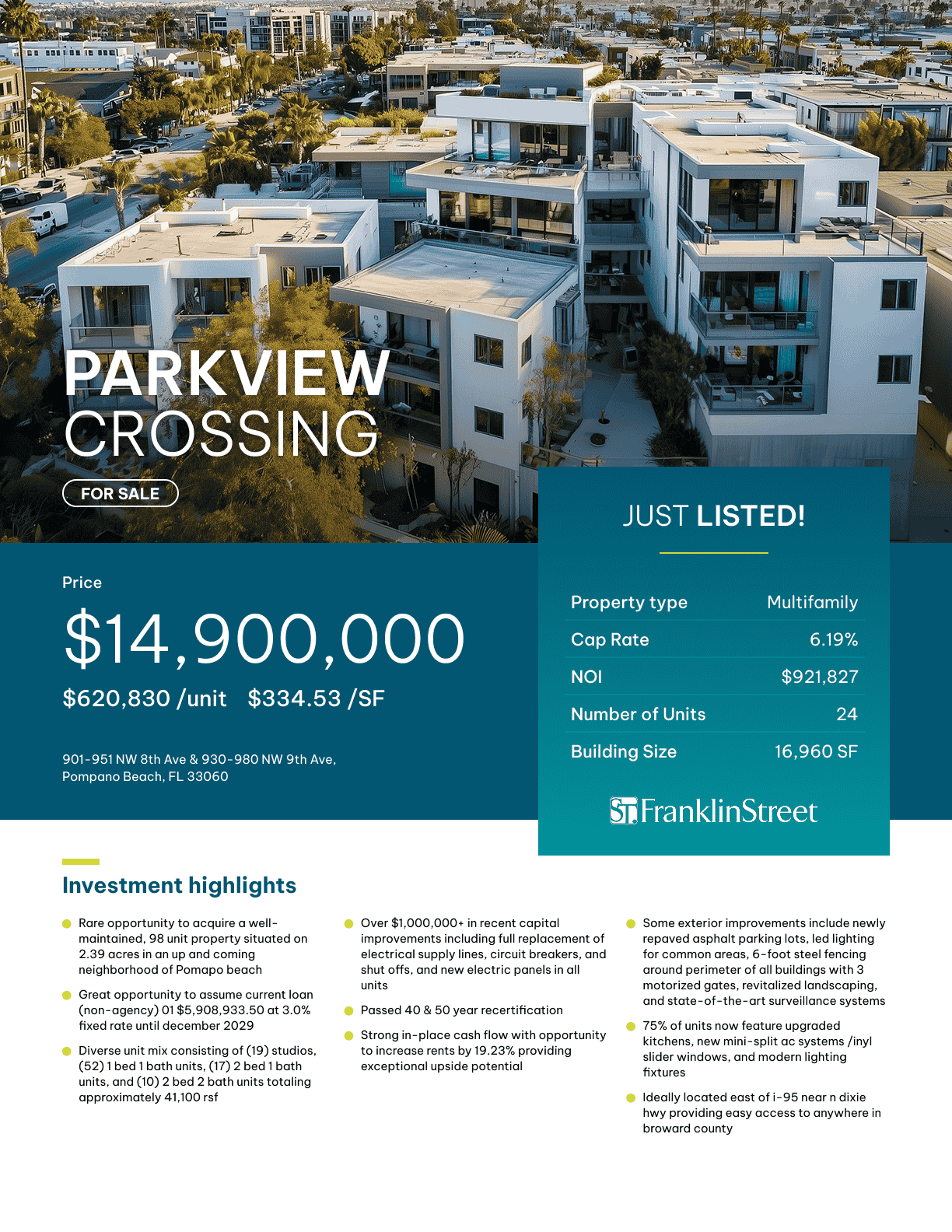
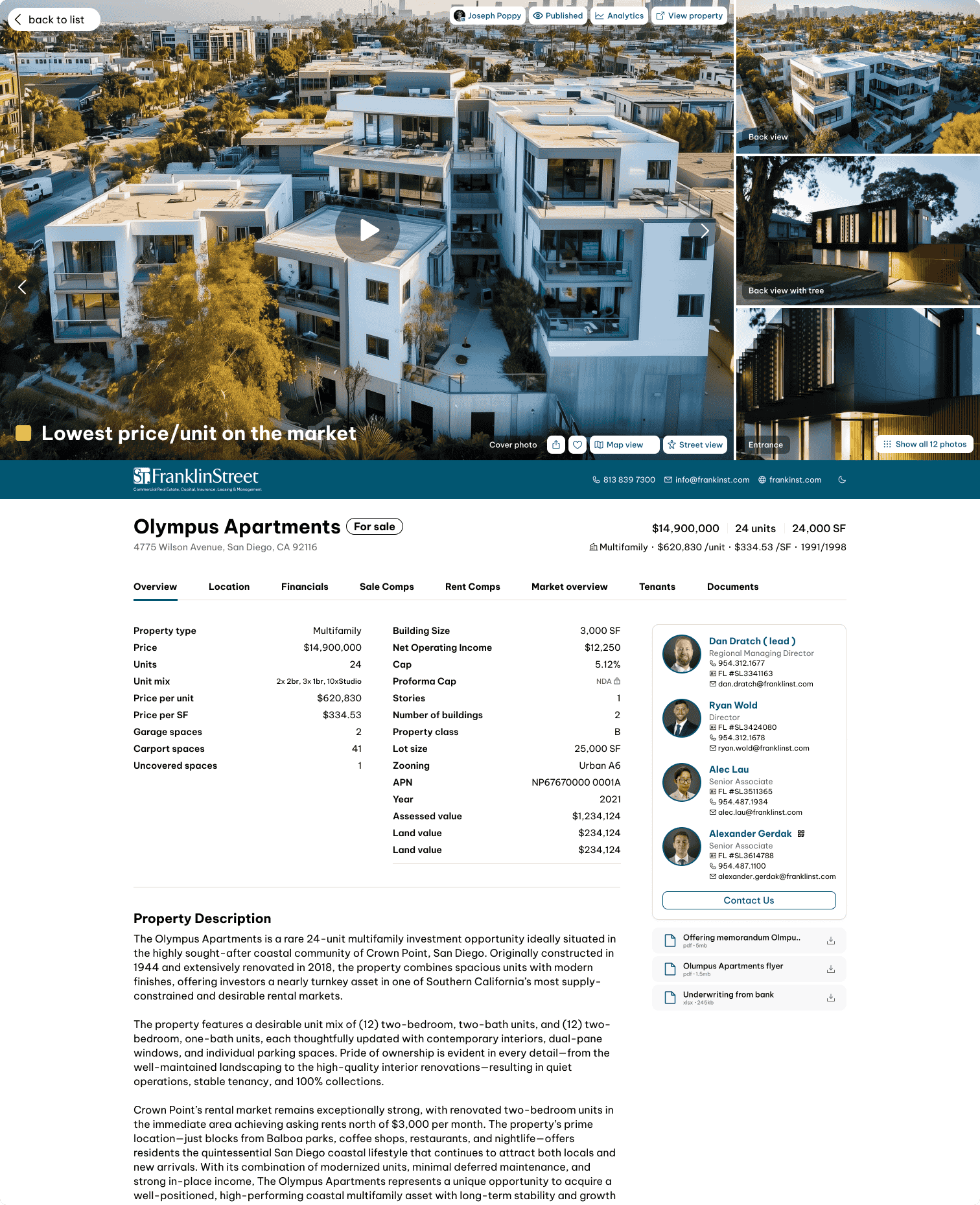
CRE marketing automation is the use of software tools to handle repetitive, process-driven marketing tasks in commercial real estate without manual execution each time. In practice, this includes generating Offering Memoranda from a structured intake form, producing BOVs from property data and comparable sales, building listing websites automatically when a listing is activated, sending email sequences to buyer lists on a defined schedule, syndicating listings to portals with consistent formatting, and publishing market updates on a predictable cadence.
The term "marketing automation" originated in the B2B software world — platforms like HubSpot and Marketo that automate lead nurturing emails, CRM updates, and content distribution. In CRE, the application is more document-centric and transaction-specific: the deliverables aren't email campaigns in the abstract, they're OMs, BOVs, flyers, pitch decks, and listing websites that need to be produced at a professional quality for every deal. That is the core promise of a CRE marketing automation platform built specifically for broker workflows.
The distinction that matters for working brokers is between general marketing automation tools built for any industry and purpose-built CRE marketing tools that understand the specific documents, workflows, and buyer behaviors in commercial real estate. A generic email automation tool doesn't know what a cap rate is. A purpose-built CRE platform can generate the financials, narrative, and market context for an OM from the same data.
How brokers use it in practice
The primary use case for CRE marketing automation is reducing what brokers in the field call the "time tax" — the 20–30% of the workweek that disappears into assembling PDFs, formatting financial summaries, building listing pages, and writing the same deal narrative a slightly different way for the fifth time this quarter.
In practice, a broker using a well-configured automation platform walks through a single intake process when a listing goes live: property address, key metrics, photos, rent roll, deal narrative. That single input generates the OM, listing website, and email announcement simultaneously. What previously took 8–12 hours of formatting, writing, and design work becomes a 45-minute intake process. The broker then spends the recovered time on the things automation can't do: owner conversations, buyer qualification, tour scheduling, and negotiation.
Beyond deal launch, automation handles the long-game prospecting tasks that most brokers intend to do but don't consistently execute: quarterly market updates to the owner list, drip sequences for investor contacts who aren't ready to transact yet, automated comp alerts when a notable deal closes in their submarket. AI underwriting adds another layer — generating defensible financial analyses automatically so brokers can spend time on relationships, not spreadsheets. These touchpoints build the relationships that source deals — but they require consistent execution to work, which is exactly what automation provides.
Common misconceptions
The most common concern brokers raise about automation is that it will make their marketing feel templated or impersonal — that clients will notice they're receiving automated content and discount it accordingly. This concern is real but misapplied. The issue isn't automation versus manual; it's generic versus specific. A manually produced OM that uses generic language and stock photos feels impersonal. An automated OM built from accurate property data, strong photos, and a broker-written investment thesis feels professional. The quality comes from the inputs, not the production method.
A second misconception is that CRE marketing automation requires a significant technical investment to set up and maintain. Purpose-built platforms are designed for brokers who are not technologists — the setup is structured around familiar workflows (intake forms, standard document types, existing contact lists), not around API integrations or marketing funnels. The learning curve is measured in days, not months.
Frequently asked questions
What tasks are most worth automating in a CRE brokerage?
The highest-ROI automation targets are OM and BOV generation (high time cost, high frequency), listing website creation (currently requires design tools most brokers don't have), investor email sequences (low cost to automate, high relationship value over time), and quarterly market updates (high owner-relationship value, almost always delayed or skipped manually).
Can automation replace the broker's role in marketing?
No — and it isn't designed to. Automation handles production and distribution. The broker still controls strategy (how to position the deal, which buyers to prioritize, what narrative to lead with), relationships (the calls, tours, and negotiations that move a deal), and judgment (what data to include, how to frame the investment thesis). Automation makes the broker faster; it doesn't replace what makes a broker valuable.
How is CRE marketing automation different from a CRM?
A CRM stores and organizes contact data and deal history. Marketing automation executes actions — generating documents, sending emails, publishing content. The best CRE platforms combine both: they know your contact database and can execute marketing workflows that are triggered by deal events or contact behavior. Standalone CRMs don't produce OMs; standalone document tools don't manage your pipeline.
Is CRE marketing automation only useful for high-volume brokers?
Not at all. A broker who closes 5–8 deals per year benefits significantly from automation because each deal represents a meaningful portion of their annual production — and the time recovered from each deal launch compounds directly into prospecting time for the next one. High-volume brokers get more volume; lower-volume brokers get more margin.