
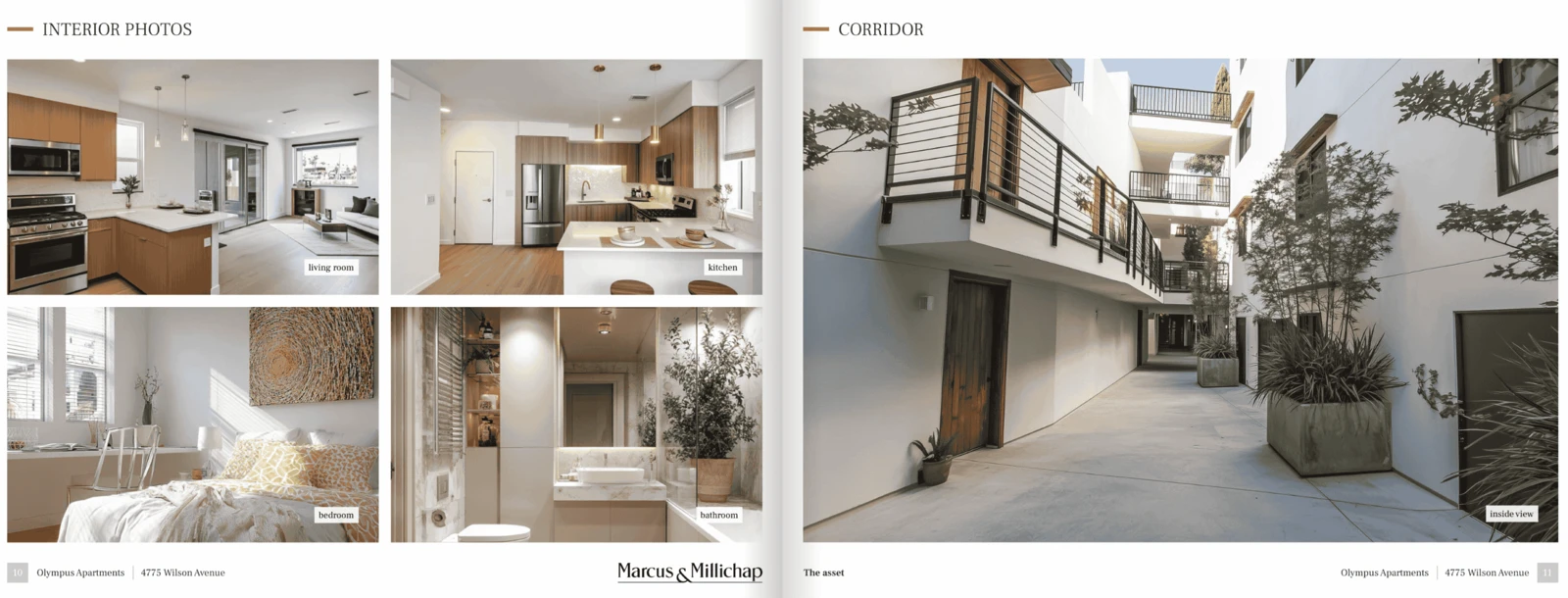


A Broker Opinion of Value (BOV) is one of the most important documents you’ll produce as a commercial real estate broker — and often the first impression an owner has of how you think. Done well, it wins you the listing. Done poorly, it costs you the assignment before you’ve had a chance to pitch. This guide walks through what a BOV is, how it differs from an appraisal, and a repeatable, step-by-step process for writing one that earns the engagement.
What is a Broker Opinion of Value?
A Broker Opinion of Value (BOV) — sometimes called a Broker Price Opinion (BPO) — is a commercial real estate broker’s estimate of a property’s market value. Owners and lenders request a BOV when they want a fast, credible read on what an asset is worth without commissioning a full appraisal.
Here’s the framing that matters most, and the one brokers most often get wrong: a BOV is a marketing document first and a valuation tool second. Yes, the number has to be defensible. But the owner reading it is also deciding whether to trust you with the sale. Your BOV is a live audition for the listing — the analysis proves competence, and the presentation proves you’ll market the property well.
BOV vs. appraisal vs. BPO: what’s the difference?
These terms get used interchangeably, but the distinctions matter when you’re setting expectations with a client.
An appraisal is a formal valuation prepared by a licensed or certified appraiser who must follow strict standards (in the U.S., USPAP). It’s the document lenders rely on to underwrite a loan, and it carries legal weight.
A Broker Opinion of Value (BOV) is prepared by a broker, is faster and lower-cost (often free when you’re competing for a listing), and is not bound by appraisal standards. Because of that, you must always state clearly that your BOV is an opinion of value and not an appraisal — many states regulate this language, so check your local rules.
BPO (Broker Price Opinion) is essentially the same instrument; the term is more common in residential and lender-driven contexts, while “BOV” dominates in commercial real estate.
The practical takeaway: a BOV gives an owner 80% of the insight at a fraction of the time and cost — which is exactly why it’s such a powerful door-opener.
For a side-by-side breakdown of cost, timing and who signs each one, see BOV vs. appraisal vs. BPO: what’s the difference?
When brokers use a BOV
Most BOVs are produced in one of these situations:
- Winning a listing. An owner is considering selling and wants to know what the property could trade for. Your BOV competes directly against other brokers’ BOVs.
- Advising a long-term owner. A client wants a periodic check on value for refinancing, estate planning, or portfolio decisions.
- Supporting a buyer. You’re representing a buyer who wants an independent read before making an offer.
- Internal portfolio reviews. Owners and funds use BOVs to mark positions and plan dispositions.
How to write a Broker Opinion of Value: a step-by-step process
1. Confirm the property details and your assumptions
Start with the fundamentals: property type, full address, parcel/tax ID, ownership, unit or square-footage count, and current physical condition. For income-producing assets, gather the rent roll, trailing-12-month operating statement (T-12), and any capital expenditure history. Everything downstream depends on getting this layer right.
2. Pull the right comparables
Comps are the backbone of the BOV. Focus on sales that closed in the last 6 to 12 months and weight the ones most similar to your subject — same submarket, asset class, vintage, and size. For multifamily and most commercial assets you’ll lean on:
- Sales comps to establish price per unit, price per square foot, and the prevailing cap rate.
- Rent comps to support your income assumptions and any value-add upside.
The more genuinely comparable and recent your comps, the harder your conclusion is to argue with.
3. Choose your valuation approach
Most commercial BOVs lean on the income approach (capitalizing net operating income at a market cap rate) and the sales comparison approach (applying price-per-unit or price-per-SF metrics from your comps). For certain assets you may also reference the cost approach. Strong BOVs triangulate: if the income approach and the comp approach land in the same range, your conclusion is far more credible.
4. Build a defensible value conclusion
Don’t present a single point estimate in a vacuum. Show the range your methods produce, then explain why you’re landing where you are. This is where a brief sensitivity analysis earns its keep — showing how value shifts with a 25-basis-point move in cap rate, or a swing in rent growth, signals rigor and helps the owner understand the drivers rather than just the answer.
5. Tell the market story
Wrap the numbers in context. A short, data-backed narrative on the local market — population and employment trends, rent growth, transaction volume, supply pipeline — shows the owner you understand their market, not just spreadsheets. This is also where you differentiate from the broker who handed over a bare valuation.
6. Lay out your marketing plan
Remember the framing: this is a marketing document. Close the BOV with how you’d actually sell the asset — your pricing strategy, target buyer pool, marketing timeline, and the materials you’d produce (offering memorandum, brochures, a listing website). The value conclusion gets you taken seriously; the marketing plan gets you hired.
What to include in a BOV: a checklist
- Cover page with the property, your branding, and a clear “Opinion of Value — not an appraisal” disclaimer
- Executive summary with the headline value conclusion
- Property overview and current condition
- Rent roll and income/expense summary (for income properties)
- Sales and rent comparables
- Valuation analysis (income and sales comparison approaches)
- Value range and sensitivity analysis
- Local market overview and trends
- Recommended pricing and marketing strategy
- Disclaimers and assumptions
Common mistakes that cost brokers the listing
- Treating it as pure math. A technically correct but visually flat BOV loses to a slightly less precise one that’s clearly presented and persuasive.
- Stale or cherry-picked comps. Owners know their market. Weak comps undermine your entire conclusion.
- No range or sensitivity. A single number with no supporting logic reads as a guess.
- Skipping the marketing plan. This is the part that actually wins the assignment — don’t bury or omit it.
- Slow turnaround. BOVs are often competitive. The broker who delivers a polished document first has a real edge.
How IntellCRE automates the BOV
Most of the work above — pulling recent sales and rent comps, running the income and sales-comparison analysis, building a sensitivity table, and assembling a local market overview — is exactly what brokers spend hours on for every assignment. IntellCRE compresses it into minutes. You upload the rent roll and financials (or use your own underwriting model), and the platform enriches the deal with comps and market data from a database of 150M+ property records, runs the underwriting, and generates a polished, on-brand BOV — value conclusion, sensitivity analysis, comps, and market narrative included — ready to send to the owner.
That means you can respond to a BOV request the same day, with a document that looks like your brand and reads like a marketing piece, not a spreadsheet dump.
See how IntellCRE builds BOVs →
Frequently asked questions
Is a BOV legally binding?
No. A BOV is an opinion of value, not a formal appraisal, and it doesn’t carry the legal standing of an appraisal. Always disclose this clearly.
How long should a BOV be?
It varies with the audience and asset. A concise BOV might run three to five pages; a comprehensive one for a complex or institutional asset can exceed 40. Match the depth to what the owner needs to make a decision.
How much does a BOV cost?
When a broker is competing for a listing, a BOV is typically provided free of charge. Standalone advisory BOVs may carry a fee.
What’s the difference between a BOV and a CMA?
A CMA (Comparative Market Analysis) is the residential equivalent. BOV is the term used for commercial assets and tends to involve income-based valuation methods a residential CMA wouldn’t.
Writing BOVs for every prospect is one of the most time-consuming parts of brokerage. IntellCRE turns deal data into investor-ready BOVs, offering memorandums, and pitch decks in minutes. Schedule a demo to see it on one of your live deals.